



Green architecture: a way of building in harmony with the environment
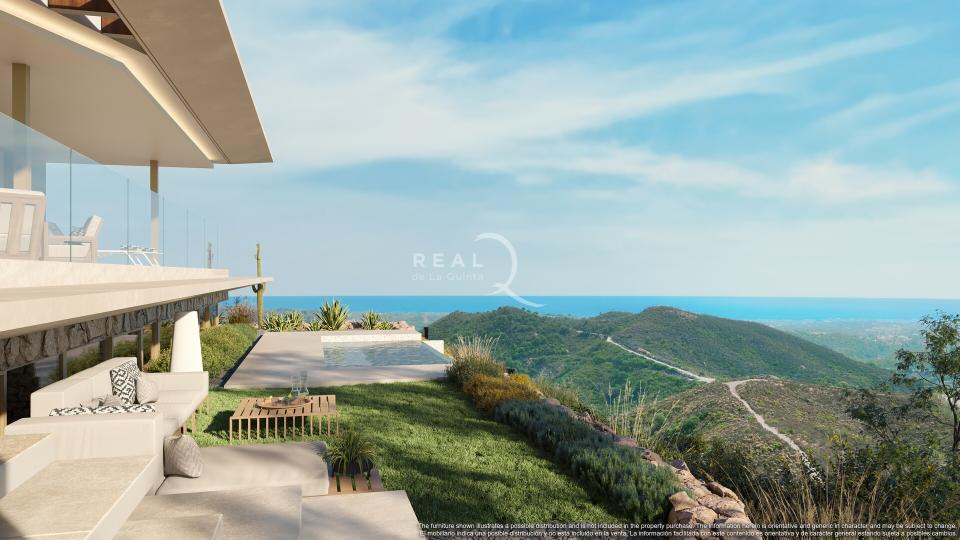
The use of materials and energy in the construction industry has a direct impact on the efficiency of buildings and quality of life. Green architecture prioritizes this sustainable approach in the sector, promoting healthier and more environmentally friendly living spaces.
What is green architecture?
Green architecture is the sustainable version of more traditional forms of construction. To understand its scope and impact on the livability and sustainability of housing solutions, three aspects must be taken into account:
- The use of materials with low environmental impact: natural, recycled, or biodegradable raw materials are used, such as cellulose, certified wood, bamboo, cork, sheep's wool, and vegetable-based paints. In addition, priority is given to sourcing materials locally, thereby reducing the environmental footprint caused by transportation.
- Resource conservation: both in the construction process and in the future uses of the building, ecological architecture promotes optimized management of natural resources such as water and light. These buildings are designed to harness the potential of renewable energies and integrate with the environment.
- Energy efficiency: the sustainability of green buildings is also defined by the use of bioclimatic designs. These allow for the creation of optimal living conditions (ventilation, insulation, building orientation, etc.) so that achieving thermal comfort indoors does not lead to an increase in energy consumption.
Benefits of green architecture
The beneficial effects of green architecture are evident both inside and outside buildings, both during the construction process and throughout the use and life cycle of the buildings.
- Balance with the environment: buildings that are perfectly integrated with the characteristics of the terrain and landscape in which they are constructed.
- Promotion of the circular economy: the materials commonly used come from waste from other industries, and the waste generated can, in turn, be used for new purposes.
- Energy independence: they help reduce dependence on fossil fuel sources and produce very limited expenditure.
- Improved environmental health: green architecture helps reduce the carbon footprint with a construction model that reduces energy expenditure, water consumption, and emissions that compromise air quality.
Real de La Quinta: a sustainable development model
Real de La Quinta stands out as the first national project to be certified with the BREEAM seal for infrastructure urban development. This certification recognizes the implementation of sustainable construction measures that minimize environmental impact.
In its developments, sustainability and energy efficiency are embedded in the project’s initial planning. Features such as high-performance windows, state-of-the-art climate control systems, and the quality of materials and finishes achieve a high energy rating, supporting a sustainable and environmentally friendly lifestyle. In addition, the careful south-facing orientation of our homes enhances natural lighting and provides passive solar heating in winter, along with breathtaking panoramic views of the Mediterranean coast.
Integration with the natural surroundings is another fundamental pillar. The architecture is conceived as an extension of the landscape, combining advanced construction techniques with local materials and landscaped communal areas designed for low water consumption. Natural features of the land are also preserved, as reflected in the development of El Lago Club.